Every Shopify store generates an incredible amount of information.
Orders are placed every minute.
Inventory levels change throughout the day.
Competitors adjust prices without warning.
Customer demand shifts from one product to another.
Margins fluctuate as costs, promotions, and pricing evolve.
Yet despite all this activity, many merchants still rely on dashboards that summarize what has already happened.
Revenue reports are reviewed at the end of the day.
Inventory reports arrive the following morning.
Weekly performance meetings analyze trends that started days ago.
Monthly reports explain why margins declined after the fact.
These dashboards are valuable. They help businesses understand performance and measure progress.
But they share one major limitation.
They look backward.
When your business depends on fast pricing decisions, changing customer demand, and competitive markets, looking backward is no longer enough.
The stores that grow most profitably are not simply the ones with the best reports.
They are the ones that recognize important business signals early enough to act on them.
That is the difference between reporting and profit optimization.
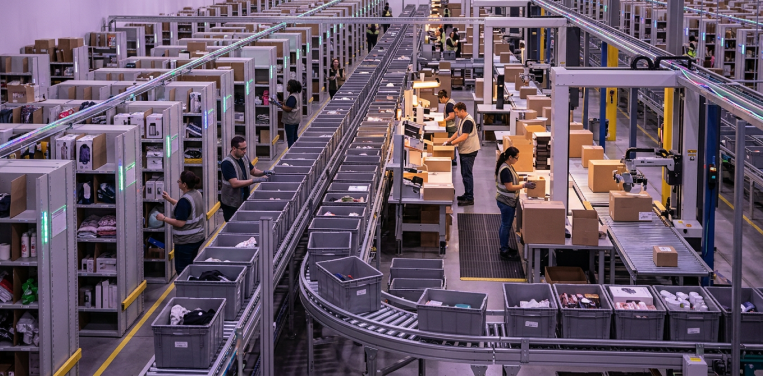
Dashboards Explain What Happened. They Rarely Tell You What To Do Next.
Traditional reporting tools answer questions like:
- How much revenue did we generate yesterday?
- Which products sold the most?
- What was our average order value?
- How many units did we ship?
These are useful metrics.
Every business should monitor them.
However, they rarely answer the questions merchants need during the day.
Questions like:
- Which products are quietly losing margin right now?
- Are we pricing any products too close to cost?
- Has a competitor changed pricing on an important SKU?
- Is inventory building faster than expected?
- Which products deserve attention today?
Knowing that yesterday's revenue increased by 12 percent does not necessarily help you decide what to do this afternoon.
Successful growth depends on making better decisions today, not simply understanding yesterday.
Every Hour Matters More Than Most Merchants Realize
Profit rarely disappears because of one dramatic event.
Instead, it slowly leaks away through dozens of small decisions that go unnoticed.
A supplier increases costs.
A promotion continues longer than planned.
A competitor launches a discount.
Inventory begins accumulating.
Demand shifts toward another product.
Each individual event may seem insignificant.
Together, they can materially impact profitability.
The longer these issues remain unnoticed, the larger their financial impact becomes.
This is why delayed visibility is expensive.
The problem is not that merchants lack data.
The problem is that they receive important information too late.
Yesterday's Dashboard Cannot Protect Tomorrow's Profit
Imagine reviewing your dashboard on Monday morning.
Everything looks healthy.
Revenue increased over the weekend.
Orders remain steady.
Nothing appears unusual.
What the dashboard doesn't tell you is that throughout Monday:
- Three high-volume products have moved dangerously close to your minimum margin.
- One competitor has reduced pricing on your bestselling category.
- Two fast-moving products are approaching stockout levels.
- Several slow-moving SKUs are beginning to accumulate excess inventory.
None of these issues are reflected in yesterday's reports.
By the time they appear in tomorrow's dashboard, valuable opportunities may already have been lost.
This illustrates an important shift in how merchants should think about store intelligence.
The goal is no longer simply measuring performance.
The goal is recognizing change while there is still time to respond.
Modern Commerce Requires Earlier Signals
Today's ecommerce environment moves much faster than it did just a few years ago.
Competitor pricing can change several times a day.
Customer demand changes because of social media trends, advertising campaigns, seasonality, and external events.
Inventory levels constantly fluctuate.
Supplier costs evolve.
Marketing campaigns influence purchasing behavior almost immediately.
In this environment, merchants cannot afford to wait for weekly reports before making decisions.
Business growth increasingly depends on recognizing emerging opportunities before competitors do.
Earlier visibility leads to faster action.
Faster action creates better business outcomes.
Growth Comes From Better Daily Decisions
When people think about growing a Shopify business, they often think about acquiring more customers.
Marketing.
Advertising.
Email campaigns.
New product launches.
These initiatives certainly contribute to growth.
But profitable growth also comes from improving hundreds of operational decisions that happen every week.
Questions such as:
- Should this product's price be adjusted?
- Is this inventory level healthy?
- Is margin beginning to decline?
- Are competitor prices changing?
- Should this product receive more attention?
Each decision may only improve profitability slightly.
Together, they compound into meaningful business growth.
That is why the businesses that consistently improve profit are not necessarily making bigger decisions.
They are making better decisions more consistently.
The Challenge With Manual Monitoring
Many Shopify merchants still depend on spreadsheets, dashboards, and manual analysis.
This approach becomes increasingly difficult as stores grow.
Managing fifty products is one thing.
Managing five thousand is something entirely different.
Every product behaves differently.
Every category responds differently.
Every competitor moves independently.
Reviewing every SKU manually every day simply isn't realistic.
As businesses scale, the amount of information grows much faster than the amount of available time.
Eventually, merchants stop looking for opportunities because there are simply too many places to look.
Instead, they react when problems become obvious.
By then, those problems have often become expensive.
Profit Max Changes The Way Merchants Monitor Their Business
Profit Max was built around a simple idea.
Merchants should not have to search through reports to discover opportunities for growth.
The platform continuously monitors Shopify store data and transforms it into prioritized daily alerts that highlight what deserves attention first.
Instead of asking merchants to interpret dozens of dashboards, Profit Max focuses on answering three practical questions:
- What changed?
- Why does it matter?
- What should I review next?
This shifts store management from reactive reporting to proactive decision making.
Instead of learning about issues after profit has already been affected, merchants receive earlier signals while meaningful action is still possible.

From Reports To Recommendations
One of the biggest differences between traditional dashboards and Profit Max is the focus on recommendations.
Reports present information.
Profit Max prioritizes action.
Rather than showing hundreds of metrics, it identifies the opportunities most likely to influence profitability.
For example, Profit Max can surface products where:
- Margins are beginning to decline.
- Pricing may no longer align with market conditions.
- Products are approaching cost thresholds.
- Inventory levels indicate potential stockout or overstock risks.
- Demand patterns are changing unexpectedly.
These alerts help merchants focus their attention where it creates the greatest business impact.
Instead of spending hours looking for problems, they can spend more time improving outcomes.
Profit Optimization Is Also A Growth Strategy
Sometimes businesses think about profit protection and business growth as separate goals.
In reality, they are deeply connected.
Every dollar of unnecessary discounting reduces future investment.
Every preventable margin leak limits marketing budgets.
Every inventory mistake ties up capital that could be invested elsewhere.
Conversely, every smarter pricing decision creates more room for growth.
Every recovered margin creates additional profit.
Every better inventory decision improves cash flow.
Every earlier signal helps merchants respond before opportunities disappear.
Profit Max is designed around this philosophy.
Its purpose is not simply to prevent problems.
Its purpose is to help Shopify merchants make smarter daily decisions that strengthen profitability and support long-term business growth.
The alerts are important.
The recommendations are valuable.
But they all contribute toward a much larger objective.
Helping businesses grow with confidence.
Ask Better Questions, Get Better Answers
Knowing something changed is only part of the decision-making process.
Merchants also want to understand why.
Why is this product losing margin?
Why did this recommendation appear?
What changed compared to last week?
How is competitor activity influencing pricing?
Profit Max includes an AI-powered assistant that allows merchants to ask these questions in plain language.
Instead of manually searching reports, users can request additional context and receive explanations specific to their own store.
This helps teams make faster, more informed decisions while reducing the time spent investigating individual products.
Better Visibility Creates Better Businesses
Successful Shopify stores are not built on better dashboards alone.
They are built on better decisions.
The businesses that consistently grow profitably are the ones that recognize important signals before they become expensive problems.
They identify opportunities earlier.
They respond faster.
They optimize continuously rather than periodically.
This is becoming one of the defining advantages of modern commerce.
Not simply having more data.
Having the right information at the right time.

Final Thoughts
Reports will always play an important role in running a business.
They help merchants understand performance, track trends, and measure results.
But reports alone cannot drive growth because they explain what has already happened.
Profitable growth requires something more.
It requires earlier visibility, faster action, and clearer priorities.
Profit Max bridges that gap by continuously monitoring pricing, margins, inventory, demand, and market signals, then surfacing the opportunities that matter most before they compound into larger issues.
Instead of asking merchants to spend hours searching through dashboards, it helps them focus on the decisions that will have the greatest impact on both profitability and business growth.
Because the goal is not simply to understand yesterday.
The goal is to build a stronger, more profitable Shopify business tomorrow.


Ready to Let AI Agents Work for Your Margins?
Leading brands are already growing profits on autopilot. Join them.


Trusted by 1000+ leading retail brands