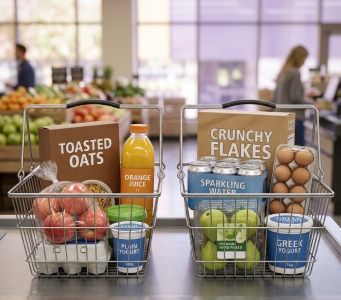
Grocery ecommerce is one of the most price-sensitive areas of retail. Customers often compare prices on everyday essentials. Competitors may adjust prices on key value items, private-label products, fresh categories,...
READ MORE




Blog
How Retailers Can Build a More Effective Pricing Review Calendar Using AI
Retail pricing teams manage thousands of products, but not every product requires the same level of attention. Some products are highly competitive and influence the retailer's overall price positioning. Others generate substantial revenue or contribute...

Blog
Why Apparel Retailers Need Different Pricing Strategies for Core Basics and Fashion Collections
Not every apparel product should follow the same pricing strategy. A basic white T-shirt that sells throughout the year has a different commercial role from a seasonal dress designed for a limited collection. A replenishable pair of jeans may remain...
Blog
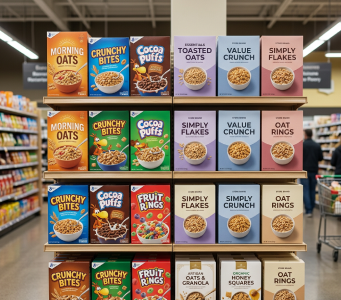
How Grocery Retailers Can Protect Price Relationships Between National Brands and Private Labels
Grocery pricing is not simply about setting the right price for individual products. It is also about maintaining the right relationships between products that compete within the same category.

Blog
Why Retailers Should Track Competitor Price Direction, Not Just Price Differences
Retailers often evaluate competitor pricing by looking at a single number: the difference between their price and a competitor's price. A competitor sells a product for $95. The retailer sells it for $100. The pricing team sees a $5 gap and begins...

Blog
How Pricing AI Helps Retailers Identify Products With Room for Price Increases
Retail pricing conversations often focus on one question: Where should we reduce prices? Competitors lower prices. Customers expect value. Promotions create pressure. Category teams look for ways to remain competitive without sacrificing sales.

Blog
How Grocery Retailers Can Use Competitor Intelligence Without Starting a Price War
Grocery retailers operate in one of the most price-sensitive areas of retail. Customers notice the price of staples. Competitors adjust prices on visible items. Promotions can shift perception quickly. Ecommerce channels make comparisons easier. A small...

Blog
How Furniture Pricing Teams Can Protect Margin When Competitor Matches Are Weak
Furniture competitor pricing is rarely straightforward. Two sofas may look similar in a product image, but differ in fabric quality, frame construction, cushion fill, size, warranty, delivery terms, assembly options, or configuration. Two dining sets may...

Blog
Why Competitor Price Tracking Needs Product Context Before Action
Competitor price tracking is valuable, but competitor price data alone is not enough. A retailer may see that a competitor is cheaper and feel pressure to respond. An ecommerce team may notice a visible price gap and want to adjust quickly. A category...
Blog
Why Pricing Teams Need Guardrails Before They Need Anything Else
Pricing teams are under constant pressure to move faster. Competitors change prices. Categories shift. Ecommerce channels expose every price difference. Leadership wants margin protection. Merchandising wants flexibility. Category teams want control....
Blog
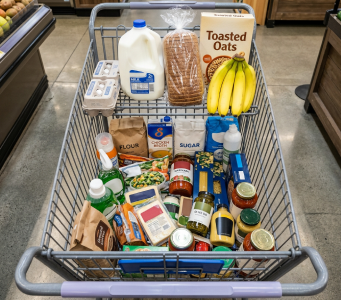
How Pricing AI and Competitor AI Help Retailers Know When Not to Match a Competitor
Grocery pricing teams face a difficult balance. They need to protect price image on the products shoppers notice most, but they also need to avoid unnecessary discounting across the rest of the basket. A retailer may “win” on a handful of visible items,...

Blog
Why Retailers Need Competitor Intelligence That Supports Price Holds, Not Just Price Cuts
Competitor intelligence is often associated with price cuts. A competitor lowers a price. A retailer sees a gap. The immediate reaction is to reduce price, match the competitor, or adjust pricing to avoid appearing uncompetitive.

Blog
How Pricing AI Helps Retailers Avoid Price Drift Across Large Assortments
Price drift is one of the quietest ways retailers lose margin. It rarely starts with one major pricing mistake. More often, it begins with a series of small, reasonable-looking changes. A product is reduced slightly because a competitor appears cheaper....

Blog
Why Modern Pricing Software Needs More Than Rule-Based Pricing
Retail pricing has become too complex for static rules alone. For years, many retail and ecommerce teams have relied on rule-based pricing logic. Match a competitor if the gap is above a certain amount. Reduce price when sales slow. Apply a standard...

Blog
Why Product Matching Matters in Competitor Analysis Software for Furniture Industry
Furniture is one of the hardest retail categories for competitor price comparison. Two sofas may look similar online, but one may use a different fabric, frame construction, cushion fill, size, warranty, delivery option, or configuration. Two dining...

Blog
Pricing Software for Electronics Ecommerce: How to Stay Competitive Without Eroding Margin
Electronics ecommerce moves quickly. A competitor may lower the price on a laptop overnight. A new smartphone launch can shift demand away from older models. A gaming console bundle may create temporary price pressure. A TV model may start aging as a...

Blog
Pricing Software for Furniture Retailer: How Price Execution Monitoring Helps Prevent Margin Leakage
Furniture pricing is complex because every pricing decision carries operational, financial, and customer experience implications. A sofa markdown may be approved for an end-of-season event. A dining set may receive a temporary promotional price. A...
Blog
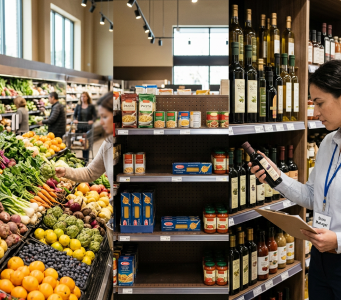
How Grocery Retailers Can Use Pricing AI to Decide When to Move, Hold, or Review Prices
Grocery pricing is one of the most demanding areas of retail pricing. Margins are tight. Demand can shift quickly. Competitor prices can influence customer perception. Inventory risk can build fast, especially in fresh, perishable, seasonal, and...

Blog
Pricing Software for Shopify Apparel Stores: How Profit Max Helps Merchants Know What Needs Attention Today
Running a Shopify apparel store can quickly become a daily exercise in prioritization. A merchant may have hundreds of products spread across collections, with multiple sizes, colors, styles, and variants. Some products are selling steadily, some are...


