Automotive retail is one of the most complex pricing environments in modern retail. Unlike categories with relatively small assortments, automotive retailers often manage tens of thousands of SKUs across parts, tools, maintenance supplies, and accessories. Many of these products sell infrequently but remain critical to assortment completeness.
This long tail structure creates a unique pricing challenge. Core products such as oil filters, brake pads, batteries, and motor oils drive frequent demand and attract strong competitive attention. Meanwhile, accessory items and specialized parts often sell less frequently but carry higher margins.
When retailers apply the same pricing strategy across both groups, they risk losing margin or competitiveness.
Modern Pricing Software for Retail helps automotive retailers optimize pricing across these long tail assortments by recognizing how elasticity varies between core products and accessory products. By combining Pricing AI with competitive relevance analysis, retailers can adjust prices where demand is sensitive while protecting margin on products that customers purchase based on need rather than price.
Before examining how this works, it is important to understand why long tail assortments make automotive pricing particularly challenging.
The Long Tail Structure of Automotive Retail
Automotive retailers must maintain large assortments to meet a wide variety of vehicle repair and maintenance needs. Customers may visit a retailer searching for a very specific component that fits a particular model and year.
This creates a long tail product structure.
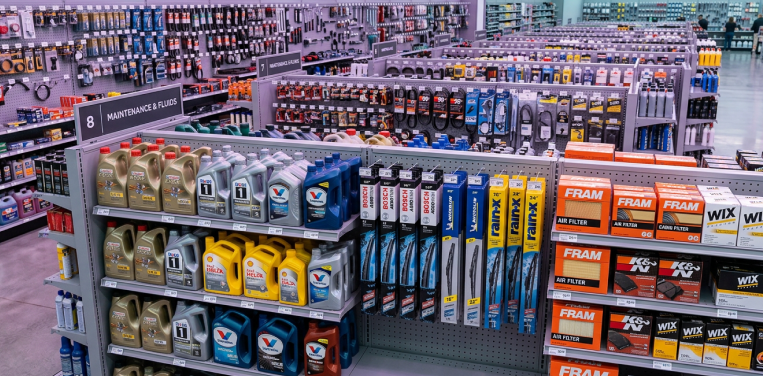
A relatively small set of high volume items drives most transactions. These core products include items such as engine oil, wiper blades, air filters, and brake components. They are frequently purchased and highly visible to customers.
At the same time, thousands of specialized items sit deeper in the assortment. These include replacement parts, accessories, diagnostic tools, and vehicle specific components that sell less frequently.
Although these long tail products generate fewer transactions individually, they contribute significantly to overall margin.
Managing pricing effectively across this mixture of core and long tail products requires understanding how price sensitivity differs between them.
Core Automotive Products Often Show Higher Price Sensitivity
Core automotive products tend to attract greater price transparency and stronger competition.
Customers purchasing motor oil or wiper blades often compare prices across retailers. Many of these products are standardized and widely available. Because alternatives are easy to find, demand for these products may be more sensitive to price changes.
Competitors frequently promote these core items through discounts or bundle offers. Retailers often feel pressure to match these promotions to remain competitive.
In these segments, pricing decisions must respond carefully to competitive signals and demand elasticity.
Modern Pricing Software for Retail evaluates historical pricing behavior and sales response to determine how demand for these core products reacts to price changes.
When elasticity signals indicate that price differences influence demand significantly, targeted price adjustments can help maintain competitiveness.
Accessory and Long Tail Products Often Show Lower Elasticity
While core products attract high visibility, many accessory and long tail products behave differently.
Customers purchasing specialized parts or vehicle specific accessories often prioritize compatibility, reliability, and availability. When a product is required for a repair or installation, small price differences may not strongly influence purchasing decisions.
For example, a replacement component designed for a specific vehicle model may have fewer direct substitutes. If the retailer has the correct item available, the purchase is often driven by necessity rather than price comparison.
These long tail products frequently demonstrate lower elasticity.
When retailers apply aggressive price matching across the entire assortment, they may unintentionally reduce margin on products where demand would have remained stable.
Pricing AI helps retailers identify these differences and maintain disciplined pricing where demand is resilient.
How Pricing AI Evaluates Elasticity Across the Assortment
Pricing AI analyzes historical sales data, pricing changes, and contextual signals to estimate how demand responds to price adjustments across different SKUs.
Instead of assuming uniform price sensitivity across the assortment, Pricing AI reveals how elasticity varies between product groups.
In automotive retail, this analysis often highlights a clear pattern.
Core maintenance products may respond strongly to price changes and competitive promotions. Long tail parts and accessories may demonstrate stable demand despite moderate price differences.
By identifying these patterns, Pricing Software for Retail helps retailers apply different pricing strategies to different segments of the assortment.
This ensures that price changes are driven by demand behavior rather than assumptions.
Avoiding Unnecessary Price Matching
One of the most common pricing mistakes in automotive retail is reactive price matching across the entire category.
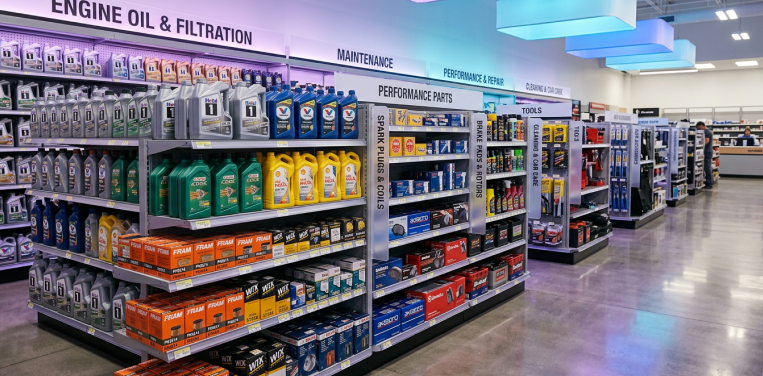
When competitors discount a core product such as motor oil, retailers may lower prices on related products or accessories even when those items are not directly affected by the promotion.
Over time, this behavior erodes margin across the assortment.
Elasticity insights help prevent this pattern.
If demand for a product shows resilience to price differences, Pricing AI can recommend maintaining the current price rather than matching competitor discounts.
These price holds protect profitability while maintaining competitive positioning where it matters.
Managing Competitive Signals in Automotive Markets
Automotive retail markets generate constant pricing signals from competitors. Marketplace sellers, national chains, and local distributors frequently introduce promotions or temporary price changes.
Without intelligent filtering, pricing systems may react to every signal.
Competitor AI evaluates these signals to determine which ones actually matter. Accurate product matching ensures that comparisons are made between true equivalents rather than loosely similar products.
Temporary promotions and irrelevant competitor activity are filtered out before influencing pricing decisions.
When Pricing Software for Retail focuses on meaningful competitive signals, pricing decisions become more stable and strategic.
Micro Adjustments Across Large Assortments
Long tail assortments require pricing precision rather than broad adjustments.
Pricing AI enables retailers to apply small targeted changes across thousands of SKUs. Some products may support modest price increases due to low elasticity. Others may require slight reductions to maintain competitiveness in highly visible segments.
These micro adjustments accumulate across the assortment to improve overall profitability.
Instead of relying on sweeping category wide discounts, Pricing Software for Retail supports continuous optimization at the SKU level.
Explainable Pricing Builds Organizational Confidence
Automotive pricing decisions often involve category managers, procurement teams, and finance leaders. When competitors change prices frequently, pressure to react quickly can increase.
Explainable Pricing AI helps teams understand why specific pricing recommendations are made.
Elasticity insights, competitor relevance signals, and expected demand outcomes are clearly presented. This transparency allows teams to make disciplined pricing decisions with greater confidence.
Modern Pricing Software for Retail must provide both intelligence and explainability to support complex retail organizations.
From Uniform Pricing to Assortment Intelligence
Automotive retailers must balance competitiveness on core products with profitability across long tail assortments.
Pricing Software for Retail powered by Pricing AI and Competitor AI enables retailers to:
- Recognize elasticity differences between core and accessory products
- Avoid unnecessary price matching across the entire assortment
- Maintain competitive pricing on highly visible products
- Protect margin on specialized parts and accessories
- Continuously optimize pricing across thousands of SKUs
By aligning pricing decisions with actual demand behavior, retailers can manage large assortments more effectively.
Conclusion
Automotive retail assortments include a small number of highly visible core products and a large long tail of specialized items. These groups behave very differently when prices change.
Modern Pricing Software for Retail must recognize these elasticity differences to optimize pricing effectively. By combining elasticity modeling with competitive relevance filtering, retailers can maintain competitiveness on core products while protecting margin across long tail SKUs.
Platforms like Hypersonix enable automotive retailers to move beyond blanket pricing strategies toward intelligent assortment level pricing.
In categories with thousands of products and diverse demand patterns, the advantage belongs to retailers who understand where price sensitivity truly exists and where disciplined price holds protect long term profitability.







Ready to Let AI Agents Work for Your Margins?
Leading brands are already growing profits on autopilot. Join them.


Trusted by 1000+ leading retail brands