For most of eCommerce history, pricing has been reactive by design. A competitor drops price, the system matches. Conversion slows, a discount is triggered. Traffic dips, another rule fires. These reactions once felt necessary in markets where data arrived late and decisions were slow.
That reality has changed.
Today, competitors move constantly, marketplaces introduce new sellers daily, and customers compare prices instantly. In this environment, reacting faster no longer creates advantage. It often creates risk. Reactive pricing leads to unnecessary discounts, margin erosion, and unstable price perception.
This is why the future of Pricing Software for eCommerce is not reactive. It is intelligent.
Modern pricing systems must anticipate competitive pressure and demand shifts before they damage performance. They must understand when price changes actually matter and when holding price is the most profitable move. This shift from reaction to anticipation is powered by Pricing AI and Competitor AI working together.
Platforms like Hypersonix represent this next generation of pricing software. They do not simply execute price changes faster. They help retailers decide whether prices should change at all.
Why Reactive Pricing Is Breaking Down
Reactive pricing was built for a simpler market. Prices changed infrequently, competitors were predictable, and customer behavior was easier to interpret. In that context, responding quickly was enough.
In modern eCommerce, reactive pricing creates several structural problems.
First, it amplifies noise. Many competitor price changes are temporary, tactical, or irrelevant. Flash promotions, inventory clearance, and marketplace experiments trigger reactions that customers never notice.
Second, it assumes price is always the primary driver of demand. In reality, many products are not highly price sensitive. Brand trust, convenience, availability, and perceived value often matter more.
Third, it erodes margin quietly. Small reactive price changes rarely cause immediate alarms. Instead, they accumulate across hundreds or thousands of SKUs, resetting baseline pricing lower over time.
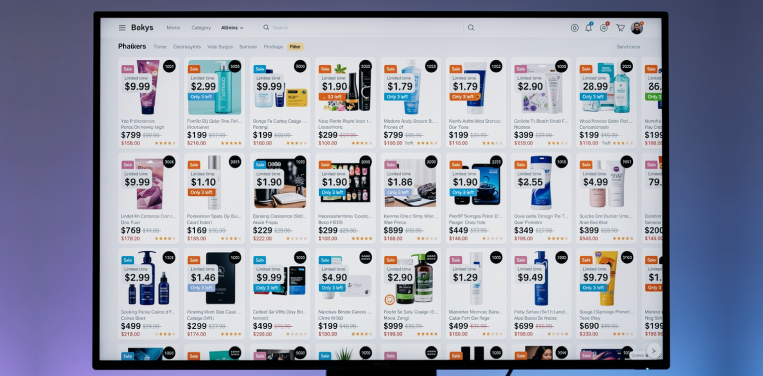
Reactive Pricing Software for eCommerce is fast, but it lacks judgment. Speed without intelligence turns pricing into a defensive exercise rather than a strategic one.
From Reaction to Anticipation
The future of pricing is not about responding to what already happened. It is about anticipating what will matter next.
Anticipatory pricing answers different questions.
Instead of asking whether a competitor changed price, it asks whether that change will influence customer behavior.
Instead of reacting to a sales dip, it asks whether price is the cause or whether demand would hold without intervention.
Instead of matching market parity, it asks which price decision maximizes profit.
This shift requires intelligence that rules and manual reviews cannot provide. It requires AI that understands both competition and demand.
How Competitor AI Enables Anticipation
Anticipation starts with understanding competition correctly.
Traditional pricing tools treat every competitor price change as equally important. This creates alert fatigue and encourages overreaction. Competitor AI changes this by focusing on relevance rather than volume.
Hypersonix Competitor AI continuously tracks competitor pricing across eCommerce sites and marketplaces. But it does not stop at collection. It evaluates competitor moves using context.
It ensures accurate product matching so that comparisons are made only between true equivalents or meaningful substitutes. It distinguishes temporary promotions from sustained price shifts. It evaluates historical impact to understand which competitors actually influence demand.
By filtering noise and prioritizing meaningful signals, Competitor AI allows Pricing Software for eCommerce to anticipate real competitive threats instead of reacting to every fluctuation.
When competitive intelligence is clean and relevant, pricing decisions become calmer and more deliberate.

Pricing AI and Demand Anticipation
Competitive context alone is not enough. Pricing decisions must also anticipate how customers will respond.
This is where Pricing AI becomes essential.
Pricing AI models elasticity at the SKU and product cluster level. Elasticity measures how sensitive demand is to price changes. Some products experience large volume shifts from small price adjustments. Others remain stable regardless of price movement.
Reactive systems assume that lower prices always protect demand. Pricing AI proves when that assumption is false.
Hypersonix Pricing AI analyzes historical pricing behavior, sales response, and competitive context to understand how demand reacts to price changes over time. This allows retailers to anticipate outcomes before making adjustments.
If elasticity signals show that demand is resilient, Pricing AI may recommend holding price even when competitors discount. If elasticity indicates risk, it guides proportionate, targeted responses rather than blanket matching.
Anticipation replaces fear. Pricing decisions are made based on expected behavior, not worst-case assumptions.
Moving Beyond Parity to Profitability
One of the most important shifts in the future of Pricing Software for eCommerce is moving beyond parity.
Reactive pricing aims to stay equal to competitors. Intelligent pricing aims to optimize outcomes.
Parity feels safe but rarely protects margin. Optimization requires understanding when parity matters and when it does not.
Pricing AI enables this transition by grounding decisions in elasticity rather than competitor movement alone. It allows retailers to lead, follow, or hold price intentionally.
This reduces unnecessary discounting, stabilizes baseline pricing, and improves long-term profitability.
Anticipating Demand Shifts Before They Appear
Demand does not change randomly. It follows patterns driven by seasonality, lifecycle, competitive behavior, and customer habits.
Pricing AI learns these patterns over time. It identifies early signals that indicate when demand is likely to shift and when price adjustments may be required.
This allows Pricing Software for eCommerce to move from reactive adjustments to proactive planning. Prices are aligned with expected demand rather than lagging behind it.
Anticipation reduces firefighting. Pricing teams spend less time reacting to problems and more time optimizing strategy.
Why Explainability Matters in Intelligent Pricing
Anticipation only works if teams trust the system.
One of the reasons reactive pricing persists is organizational comfort. Matching competitors feels defensible even when it performs poorly. Holding price feels risky without evidence.
Explainable AI changes this dynamic.
Hypersonix provides clear reasoning behind pricing recommendations. Teams can see which competitor signals were evaluated, how elasticity influenced the decision, and what impact is expected on demand and margin.
This transparency builds confidence. Pricing discussions shift from emotional reactions to evidence-based alignment. Teams act earlier because they understand why a decision is being made.
Intelligence without explainability cannot scale. The future of pricing depends on both.
The New Standard for Pricing Software for eCommerce
The future of Pricing Software for eCommerce is defined by faster reactions and better decisions.
Modern pricing platforms must anticipate competitive pressure, understand demand sensitivity, and guide disciplined action. They must help retailers know when to move and when not to move.
Hypersonix Pricing AI and Competitor AI deliver this future by replacing reactive logic with intelligent anticipation. Prices change with purpose. Margin is protected by design. Competition becomes manageable rather than overwhelming.

Conclusion
Reactive pricing belongs to a past where markets moved slowly and customers had limited visibility. That world no longer exists.
The future of Pricing Software for eCommerce is intelligent, anticipatory, and disciplined. It is built on understanding competitor relevance, modeling demand elasticity, and making decisions before problems appear.
Retailers who adopt this approach move beyond constant reaction. They price with confidence, protect margin, and compete strategically instead of defensively.
In a market where everyone sees the same prices, the real advantage belongs to those who understand what truly matters before it happens.





Ready to Let AI Agents Work for Your Margins?
Leading brands are already growing profits on autopilot. Join them.


Trusted by 1000+ leading retail brands