In apparel retail, margins are deeply influenced by timing. Product seasons are short, trends move fast, and inventory loses value quickly as styles age. One of the most critical moments in this cycle is clearance. The timing, depth, and execution of markdowns can determine whether a retailer recovers value or destroys it.
Yet most apparel retailers still treat markdowns as periodic events rather than intelligent processes. They rely on static calendars, intuition, or historical habits to decide when to lower prices. The result is predictable. Some products are marked down too late and end up being liquidated at steep losses. Others are marked down too early, leaving margin on the table while demand was still strong. Neither outcome is sustainable.
This is where AI-driven pricing brings discipline, timing precision, and profitability back into the markdown process. Hypersonix Pricing AI helps apparel retailers optimize markdown cadence, reduce end-of-season margin leakage, and turn clearance from a reactive last-minute action into a planned, data-driven strategy.
Before diving into how AI strengthens clearance pricing, it is important to understand why traditional markdown processes fail.
Why Clearance Pricing Is Difficult to Get Right
Markdown errors are rarely intentional. They emerge from the complexity of apparel retail. Styles, colors, and sizes each follow different demand curves. Weather shifts influence seasonality. Competitors drive unexpected promotional activity. Inventory levels change suddenly as bestsellers sell out and slow movers stagnate.
Traditional markdown workflows struggle for several reasons.
-
-
They use fixed timelines. Retailers often rely on weekly or seasonal markdown cycles rather than real time demand conditions. This causes delays during periods when demand falls suddenly or leads to premature markdowns when styles are still selling well.
-
They lack visibility into size curves. A product may appear to be underperforming, yet the remaining inventory is concentrated in fringe sizes. Markdowning too early reduces margin when smarter allocation would have solved the issue.
-
They fail to account for competitor intensity. Competitors often drop prices selectively on specific colorways, SKUs, or channels. Without competitive intelligence, retailers overreact or under respond.
-
They depend heavily on manual judgment. Hundreds or thousands of SKUs need daily attention during a season transition. Human teams cannot manually assess elasticity, sell-through, and competitive movement at this scale.
-
The result is predictable. Markdown leakage increases. Inventory piles up at the end of the season. Retailers turn to aggressive clearance tactics that erode margins. This is where intelligent automation solves a systemic problem.
-
Why Markdown Timing Matters More Than Markdown Depth
Many retailers focus on how much to reduce a price. In reality, when they reduce it matters much more.
A well timed markdown captures remaining demand before it disappears. A delayed markdown forces liquidation at a steep discount. A premature markdown erodes margin unnecessarily. Timing determines the shape of the sell through curve and directly influences how much profit can still be captured.
Hypersonix focuses on timing as a profitability lever. By predicting demand curves, understanding competitive pressure, and analyzing real time sell through, the system identifies the exact moment when a markdown will generate maximum revenue with minimum margin erosion. This approach eliminates guesswork and brings science into one of retail’s most important decisions.
Before we examine how the AI works, it is helpful to understand the core drivers behind intelligent markdown decisions.
The Data Behind Smart Markdown Decisions
Hypersonix unifies several data layers to predict the right markdown moment for each SKU. These include:
-
-
Sell through velocity. The system tracks how fast units are selling by size, color, and location, then forecasts future trajectory before inventory becomes stagnant.
-
Inventory aging. AI identifies SKUs approaching style expiration so markdown timing reflects lifecycle position, not arbitrary markdown schedules.
-
Elasticity signals. Hypersonix evaluates which products require larger discounts to stimulate demand and which respond well to smaller, strategic reductions.
-
Competitive conditions. If competitors begin clearing similar items, early signals help retailers decide whether to defend price or adjust strategically.
-
Seasonality and event timing. AI forecasts demand drops triggered by weather changes, holiday cycles, or promotional periods.
-
Size curve imbalance. Slow velocity in remaining fringe sizes is treated differently than slow velocity across all sizes to avoid unnecessary markdowns.
-
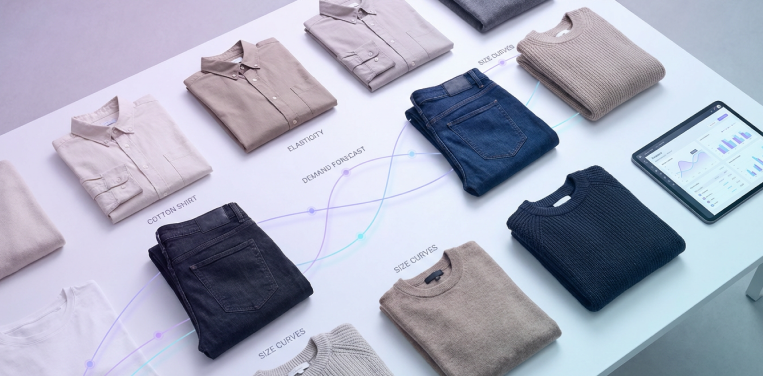
This data-driven foundation allows Hypersonix to move markdown timing from intuition to intelligence. Now we can explore how the system turns these signals into profit-led decisions.
How Hypersonix Improves Markdown Timing and Reduces Margin Leakage
-
Predictive Sell Through Forecasting
Hypersonix Pricing AI analyzes item level performance in real time to forecast when demand will drop below profitable thresholds. It identifies when a product is about to transition from full price to slow moving and recommends markdown actions before the decline becomes severe. This prevents last minute, aggressive liquidation and recovers more margin throughout the lifecycle.
-
Elasticity Based Markdown Optimization
Instead of applying blanket markdowns across categories, Hypersonix uses elasticity modeling to determine the minimum discount required to move inventory. For low elasticity styles, smaller markdowns are recommended to protect margin. For highly elastic SKUs approaching season end, deeper markdowns may be suggested to accelerate sell through. The result is strategic markdown depth and timing rather than uniform reductions.
-
Competitive Intelligence That Filters Noise
Competitor activity is monitored continuously. However, Hypersonix avoids triggering markdown recommendations based on short-lived flash sales or irrelevant discounting on non comparable items. Only meaningful, comparable competitor moves influence markdown timing. This prevents the margin destruction that often occurs when retailers match unnecessary discounts.
-
Automated Exception Identification
Instead of reviewing every SKU manually, Hypersonix surfaces exceptions such as styles that suddenly slow down, SKUs whose inventory is aging faster than projected, or products whose sell through is healthy but skewed by size curve imbalance. These insights help teams focus on the highest risk items without drowning in data.
-
Explainable AI for Cross Team Alignment
Every recommendation includes transparent reasoning. Teams can see which data signals influenced the markdown suggestion, what financial impact the timing adjustment will have, and how the recommendation aligns with company targets. This level of clarity increases trust and speeds up decision making.
-
Price Execution Monitoring for Markdown Accuracy
Even the smartest markdown strategy fails if the associated price updates do not publish correctly. Hypersonix validates markdown execution across websites, POS systems, and marketplaces. If a markdown fails to sync or appears incorrectly, the system flags it instantly. This protects retailers from silent margin leakage that occurs when markdowns either fail to go live or apply incorrectly.
The Compounding Benefits of Intelligent Markdown Timing
When markdowns are optimized with AI, selling seasons become more profitable and predictable. Retailers reduce heavy end-of-season clearance events. Customers see fewer erratic price swings. Merchandise teams regain control of lifecycle strategy instead of reacting to outdated inventory reporting. And margin erosion caused by timing errors shrinks dramatically.
Over time, intelligent markdown timing creates a compounding effect. Inventory turns faster. Capital is freed. Promotions become more strategic. And the overall pricing discipline of the organization improves.
Apparel retailers that embrace AI in this area outperform those that rely on reactive, manual markdown cycles. Small timing improvements across hundreds of SKUs have a significant collective financial impact.
Conclusion
Markdowns are inevitable in apparel retail. Margin leakage is not. Intelligent markdown timing helps retailers protect profitability during one of the most critical phases of the apparel lifecycle. With Hypersonix, apparel retailers gain predictive forecasting, elasticity driven strategy, competitive visibility, accurate execution, and transparent recommendations that convert clearance from a loss recovery exercise into a profit optimization engine.
The future of apparel markdowns belongs to retailers who can see the right moment to act. AI brings that moment into focus, turning timing into a strategic advantage and ensuring that every markdown is both intentional and profitable.


-1.png)