Promotions are deeply embedded in beauty retail. Seasonal sales, bundle offers, influencer campaigns, and loyalty discounts are common tools used to attract customers and stimulate demand. Over time, however, many retailers fall into a pattern where promotions become habitual rather than strategic.
Discounts are applied frequently because competitors run promotions or because past campaigns have created expectations. The assumption is simple. If discounts increase volume, then more discounts should drive more sales.
In reality, this assumption often leads to margin erosion without delivering meaningful demand growth.
Modern Pricing Software for Retail helps beauty retailers distinguish between discounts that genuinely influence demand and promotions that have become routine. By combining elasticity modeling with competitive relevance analysis, Pricing AI enables retailers to reduce unnecessary promotions while protecting both volume and brand value.
Before examining how this works, it is important to understand why over promotion has become so common in beauty retail.
Why Promotions Become Habitual
Beauty retail operates in a highly competitive and highly visible market. Customers compare prices across brand websites, marketplaces, and specialty retailers before making purchasing decisions.
Because promotions are so common, retailers often assume that discounts are required to maintain demand. Marketing calendars fill with regular promotional events and automatic price matching becomes standard practice.
Over time, these patterns create a cycle. Promotions generate short term volume spikes, which reinforces the belief that discounts are necessary. Retailers continue discounting even when the underlying demand may not depend on price reductions.
This habit based approach creates two major problems.
First, customers begin to delay purchases until promotions appear. This behavior weakens full price sales and compresses margins across product lines.
Second, broad promotions hide differences in product elasticity. Not every product responds to price changes in the same way, yet many retailers apply discounts across entire categories.
Breaking this cycle requires understanding how demand actually responds to price changes.

The Difference Between Discount Effectiveness and Discount Habit
Discount effectiveness refers to situations where a price reduction meaningfully increases demand. Some products respond strongly to promotions because customers view them as interchangeable with alternatives or because the discount creates urgency.
Discount habit occurs when promotions are applied automatically without evidence that they change customer behavior.
In beauty retail, both situations exist simultaneously.
Entry level cosmetics, trending beauty accessories, or seasonal bundles may respond well to discounts. However, premium skincare, cult favorite products, or strongly branded items often show much lower price sensitivity.
When retailers treat these products the same way, they reduce margin on items that would have sold without a discount.
Modern Pricing Software for Retail must identify where discounts truly drive demand and where they simply reduce profitability.
How Pricing AI Measures Discount Impact
Pricing AI evaluates how demand responds to price changes by analyzing historical sales data, pricing behavior, and contextual signals.
Elasticity modeling estimates how sensitive each SKU is to price adjustments. Instead of assuming that discounts increase volume, Pricing AI measures the actual relationship between price changes and customer purchasing behavior.
For beauty retailers, this insight reveals important patterns.
Some products show strong demand increases when discounted. These items benefit from targeted promotional activity.
Other products show little change in volume when price drops. Discounting these products does not improve demand but reduces margin.
By identifying these patterns at the SKU and product cluster level, Pricing Software for Retail helps retailers allocate promotions more intelligently.
Reducing Over Promotion Through Elasticity Insight
Once elasticity signals are understood, retailers can begin reducing unnecessary promotions.
Products with low elasticity can maintain stable pricing without harming demand. Holding price on these items protects margin and reinforces brand value.
Products with higher elasticity can still benefit from targeted promotions. However, these discounts are applied deliberately rather than automatically.
This approach replaces broad promotional calendars with evidence based pricing decisions.
The result is fewer unnecessary discounts and stronger overall profitability without sacrificing volume.
Filtering Competitive Noise
Promotional pressure in beauty retail often originates from competitor activity. Flash sales, influencer driven campaigns, and temporary discounts appear frequently across online channels.
However, not every competitor promotion influences customer behavior.
Competitor AI filters competitive signals to identify relevant pricing changes. Accurate product matching ensures that comparisons are made only against true equivalents. Temporary promotions and loosely comparable products are deprioritized.
When Pricing Software for Retail evaluates competitive context alongside elasticity signals, pricing decisions become more disciplined.
Retailers avoid reacting to noise and focus on competitor moves that genuinely affect demand.
Protecting Brand Value While Managing Promotions
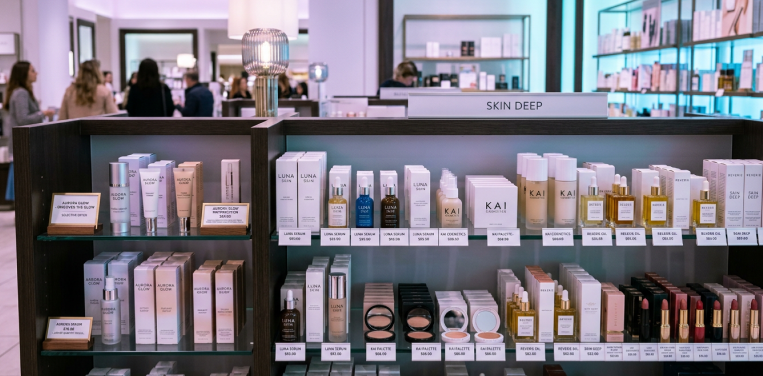
Beauty products are closely linked to brand perception. Frequent discounting can weaken perceived quality and reduce customer willingness to pay full price.
Pricing AI supports brand value by identifying products where price holds are appropriate. Maintaining stable pricing on brand driven items reinforces trust and strengthens long term customer relationships.
At the same time, targeted promotions can still be applied where they generate measurable demand.
This balance allows retailers to remain competitive while preserving the premium positioning of their brands.
Micro Adjustments Instead of Broad Discounts
Reducing over promotion does not mean ignoring pricing opportunities.
Pricing AI can identify small adjustments that improve competitiveness without triggering large scale discounting. These micro adjustments allow retailers to fine tune pricing across thousands of SKUs.
For example, modest discounts may be applied to specific products where elasticity indicates demand sensitivity. Other items may sustain full price because demand remains resilient.
Across a large assortment, these targeted adjustments create a pricing structure that supports both margin and volume.
Modern Pricing Software for Retail makes this level of precision possible at scale.
Explainable Pricing Builds Confidence
Reducing promotions can create internal resistance if teams fear losing volume.
Explainable Pricing AI helps address this concern by showing the reasoning behind each pricing recommendation. Teams can see elasticity insights, competitor signals evaluated, and expected impact on demand and margin.
This transparency builds confidence in data driven pricing decisions and helps organizations shift from habitual promotions to disciplined pricing strategies.
From Promotion Dependence to Intelligent Pricing
Beauty retailers do not need to rely on constant discounting to maintain sales.
With elasticity modeling and competitive relevance filtering, Pricing Software for Retail enables retailers to:
- Identify products where discounts genuinely increase demand
- Reduce habitual promotions that erode margin
- Maintain stable pricing for brand driven products
- Target promotions where they deliver measurable impact
- Protect both volume and profitability
This transition moves beauty retail pricing from reactive promotion cycles to intelligent, demand driven decision making.
Conclusion
Promotions will always play a role in beauty retail, but they should be applied strategically rather than habitually.
Many discounts that appear necessary are actually responses to competitive noise or historical marketing patterns. By understanding elasticity and measuring discount effectiveness, retailers can reduce over promotion without sacrificing demand.
Modern Pricing Software for Retail powered by Pricing AI and Competitor AI enables this shift. Instead of reacting to every promotion, retailers evaluate whether a price change truly influences customer behavior.
In a market where brand value and customer loyalty matter deeply, the retailers who succeed are those who know when discounts drive demand and when discipline protects both margin and long term growth.






Ready to Let AI Agents Work for Your Margins?
Leading brands are already growing profits on autopilot. Join them.


Trusted by 100+ leading retail brands